Table of Contents
- What is a Mannequin? Why do clothing stores need them?
- Types of Mannequins and How to Use Them in Boutiques and Fashion Houses
- Why Mannequins Contribute to Sales Growth
- Tips for Maximizing Mannequin Effectiveness
- Differences Between High-End Boutiques and Mass Retailers
- Mannequin Maintenance and Management
- How to Choose the Best Mannequin for Your Store
- Summary
In the fashion industry, the way clothing is displayed is a crucial element for attracting customer interest and increasing sales. Among these methods, mannequins are an indispensable tool for showcasing clothing attractively, helping customers visualize products more concretely and boosting their desire to purchase. This article details the importance of mannequins in clothing stores and boutiques, their utilization, and effective display techniques.
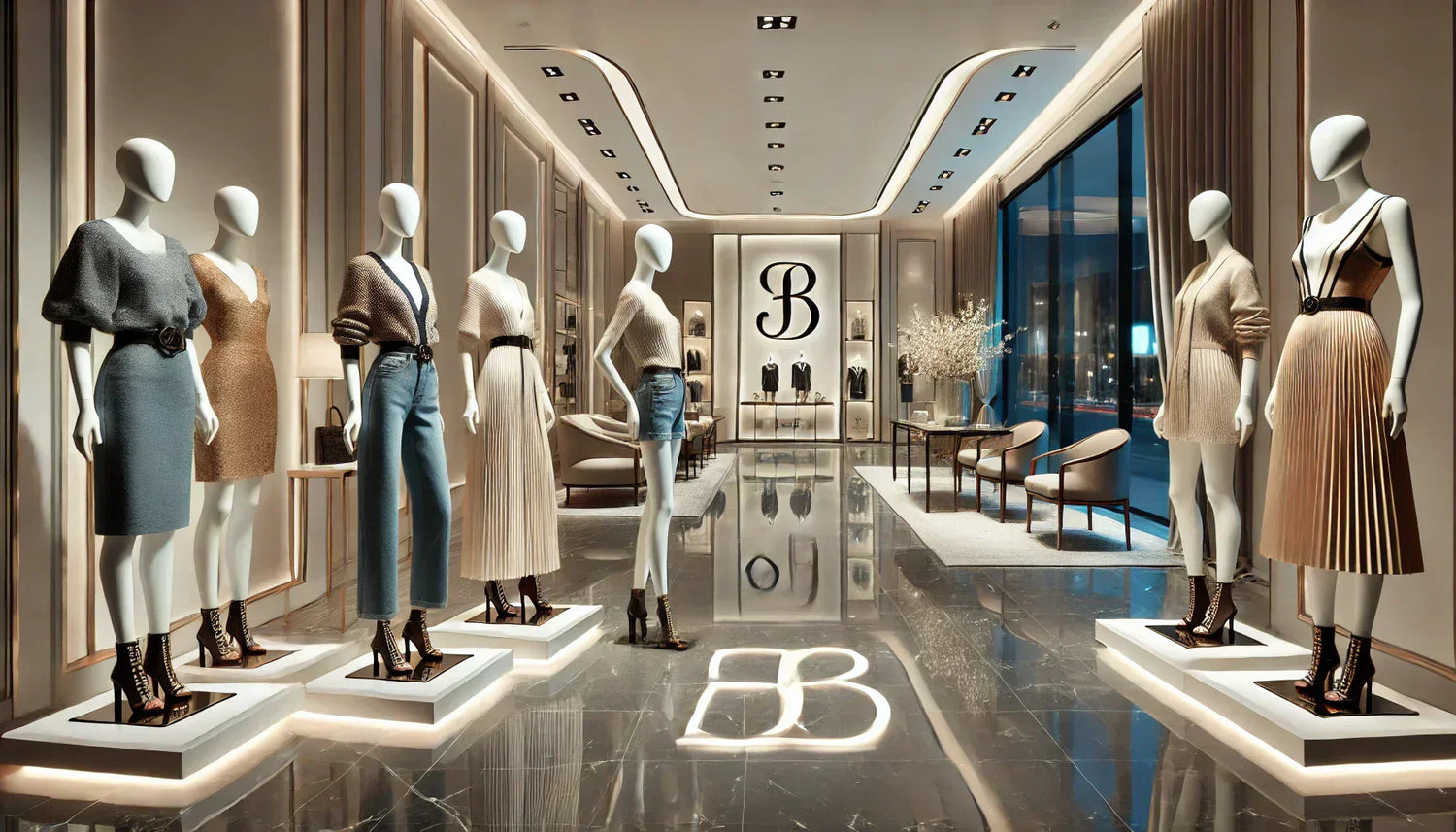
Mannequins also have a particularly strong visual appeal among store fixtures. By combining them with hanger racks and display shelves, you can more effectively convey product coordination and the brand's world.
1. What is a Mannequin? Why do clothing stores need them?
Definition of a Mannequin
A mannequin is a human-shaped display tool created to showcase clothing and accessories. In the fashion industry, it is used as part of a store's visual presentation to stimulate customers' desire to purchase.
Why Clothing Stores Need Mannequins
- Provides visual impact: Three-dimensional displays convey the silhouette of clothing more clearly, attracting customer interest.
- Increases sales: Products displayed on mannequins tend to receive more attention and have a higher purchase rate than those displayed on racks or shelves.
- Strengthens brand image: Mannequins can be used to visually represent a store's branding and concept.
- Enables styling suggestions: Showcasing a complete outfit encourages customers to buy related items together.

2. Types of Mannequins and How to Use Them in Boutiques and Fashion Houses
Static Mannequins
- A type that is fixed in a certain pose.
- Suitable for displaying classic fashion or formal wear.
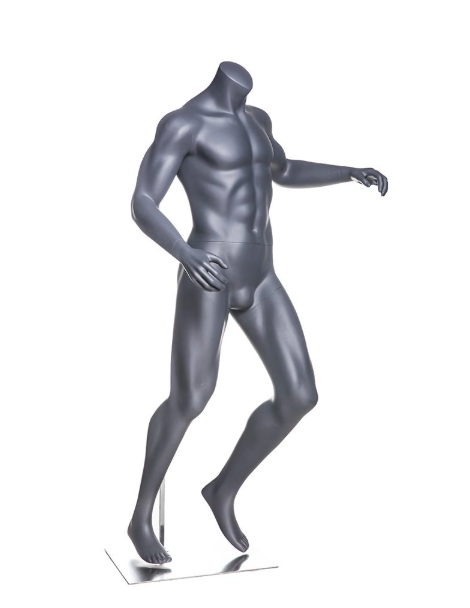
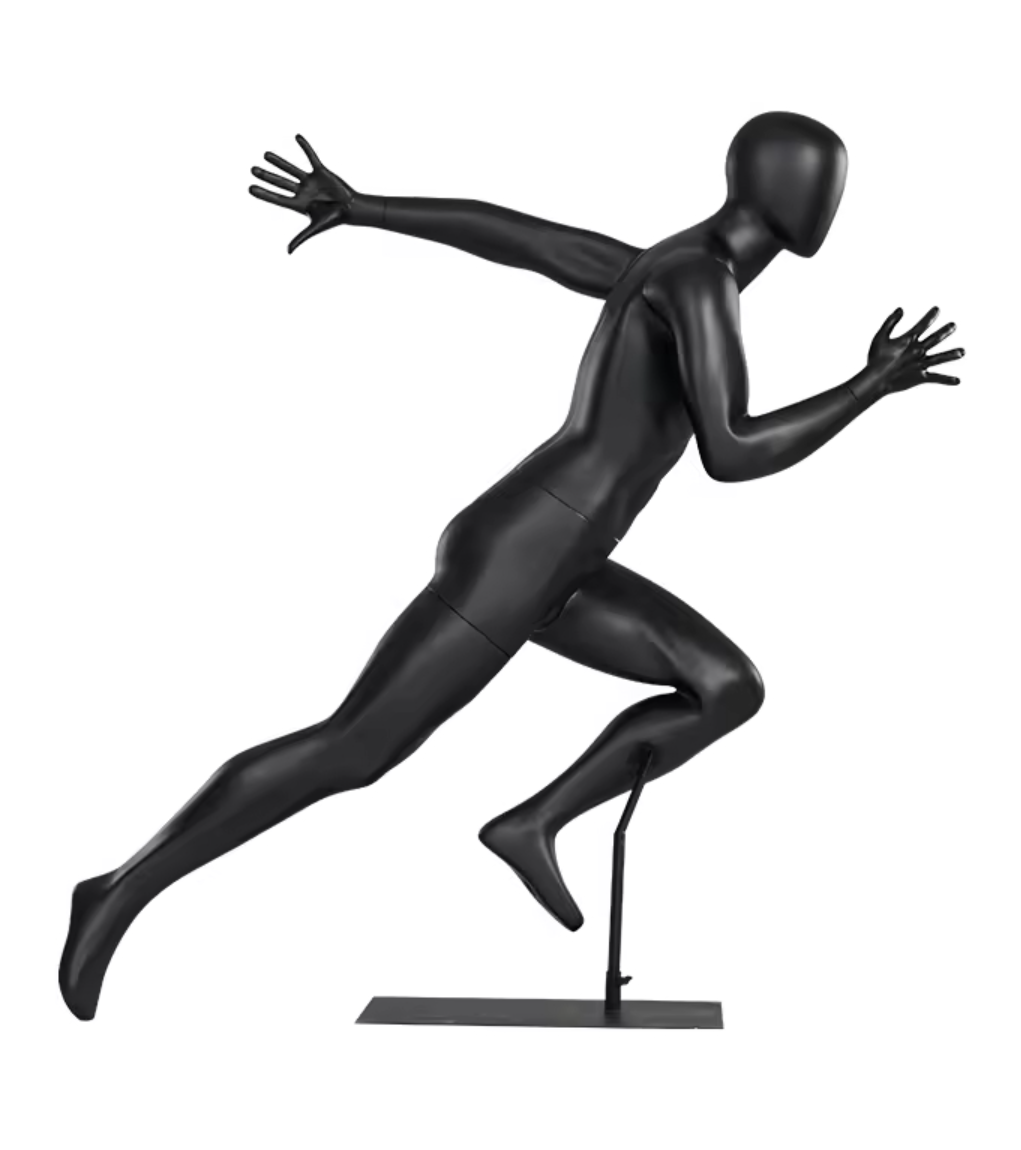
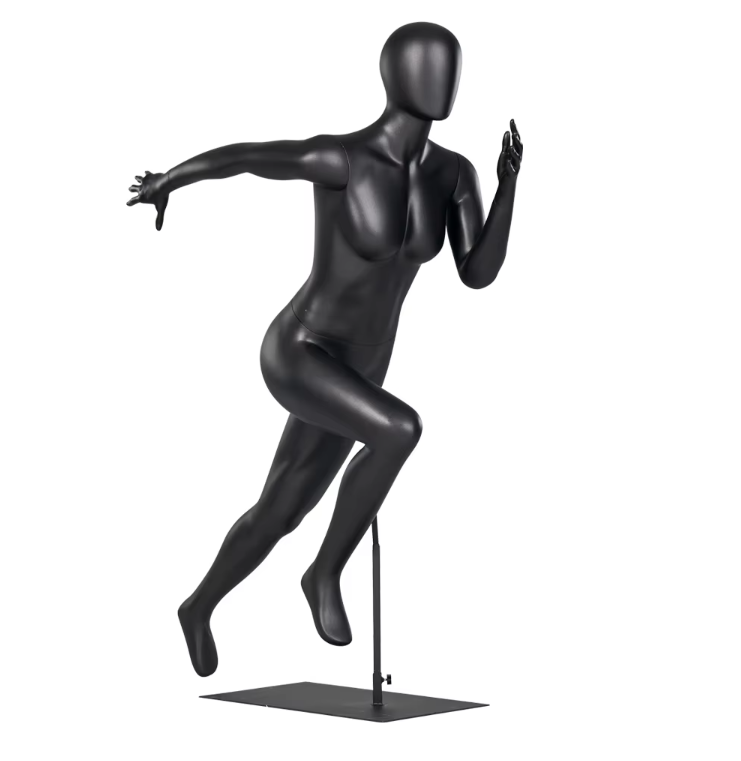
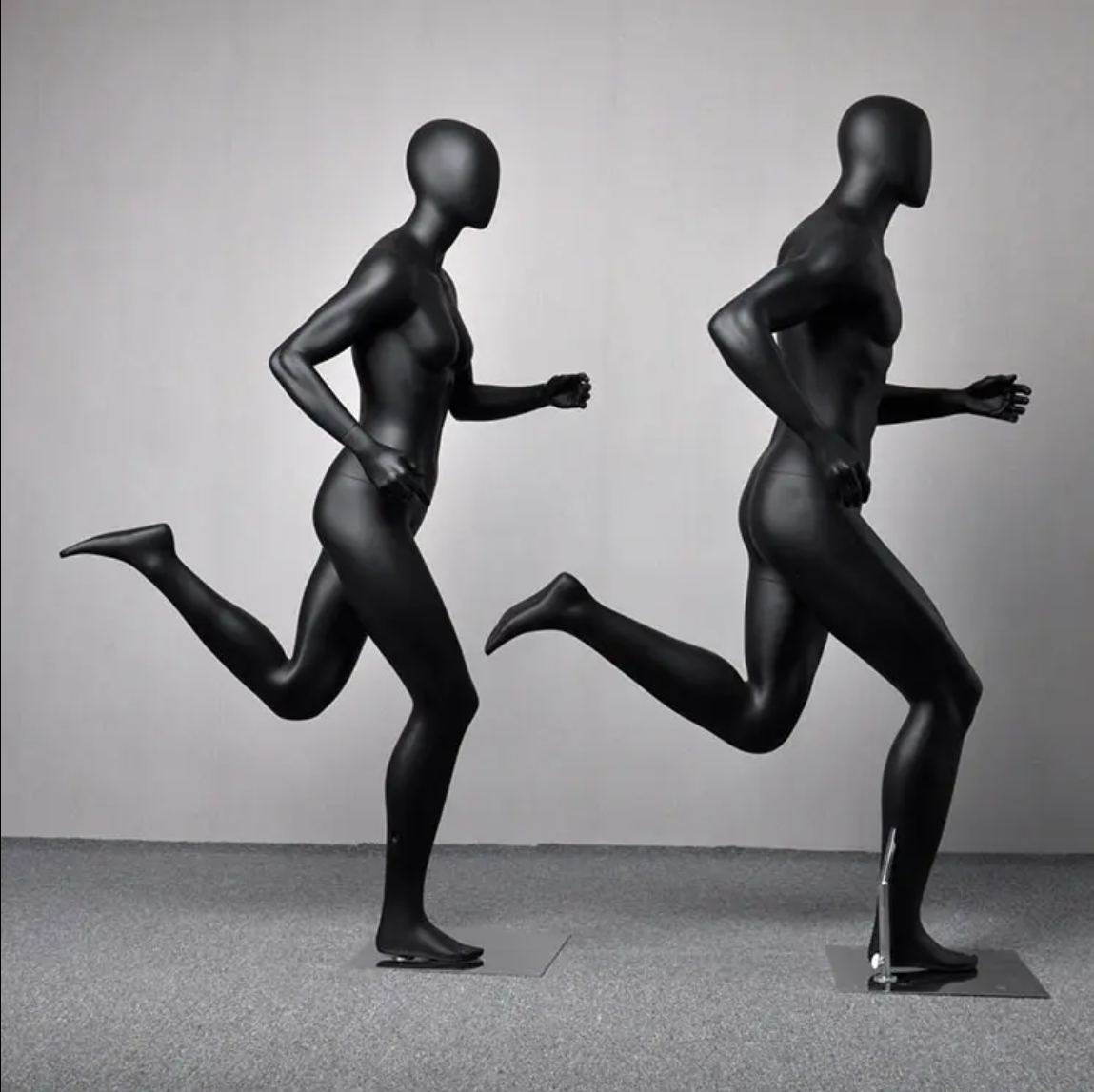
Flexible Mannequins
- Joints are movable, allowing for dynamic poses.
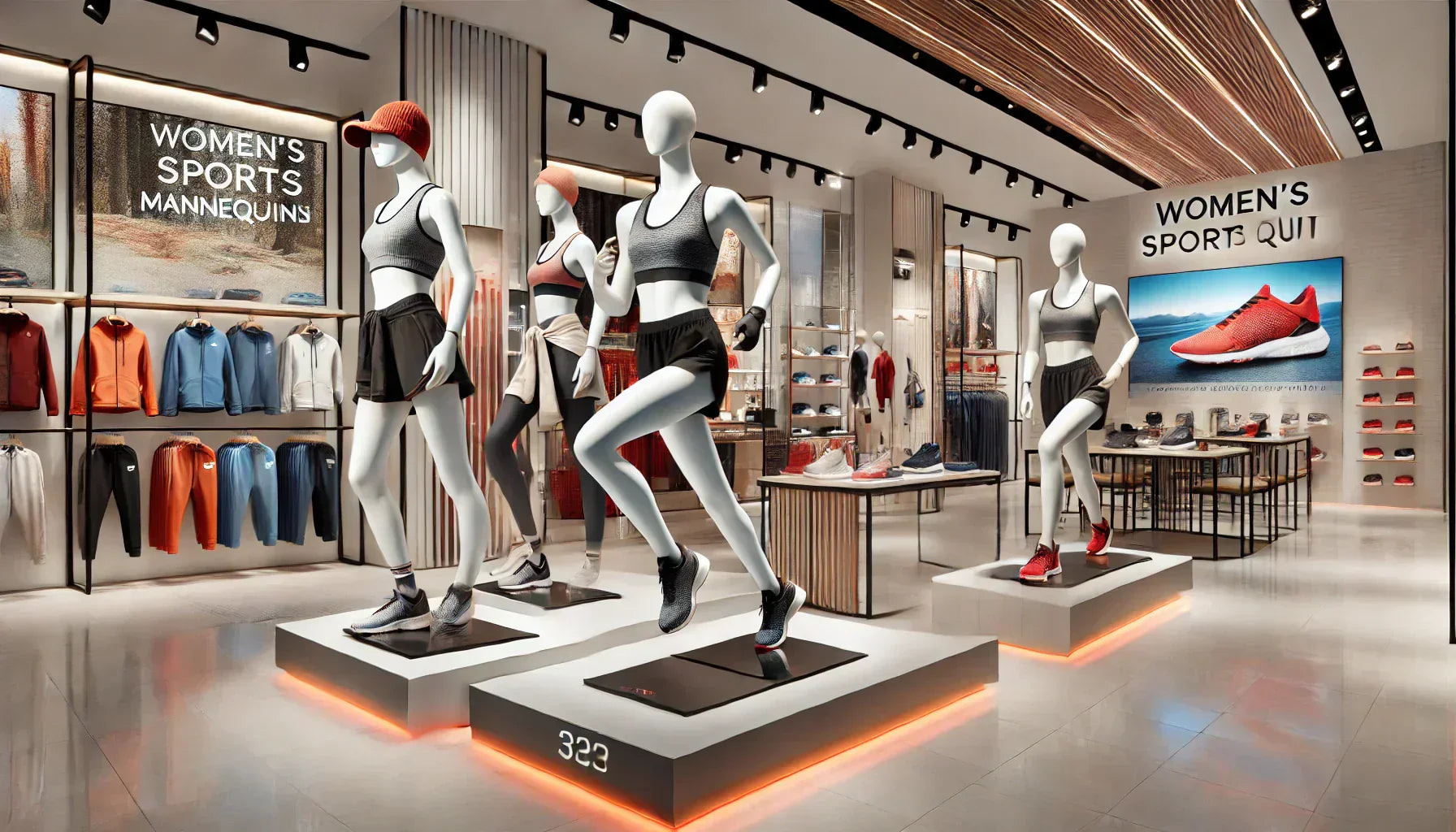
- Ideal for displaying sportswear and casual fashion.
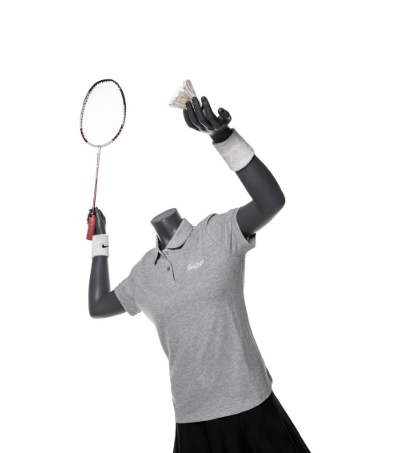
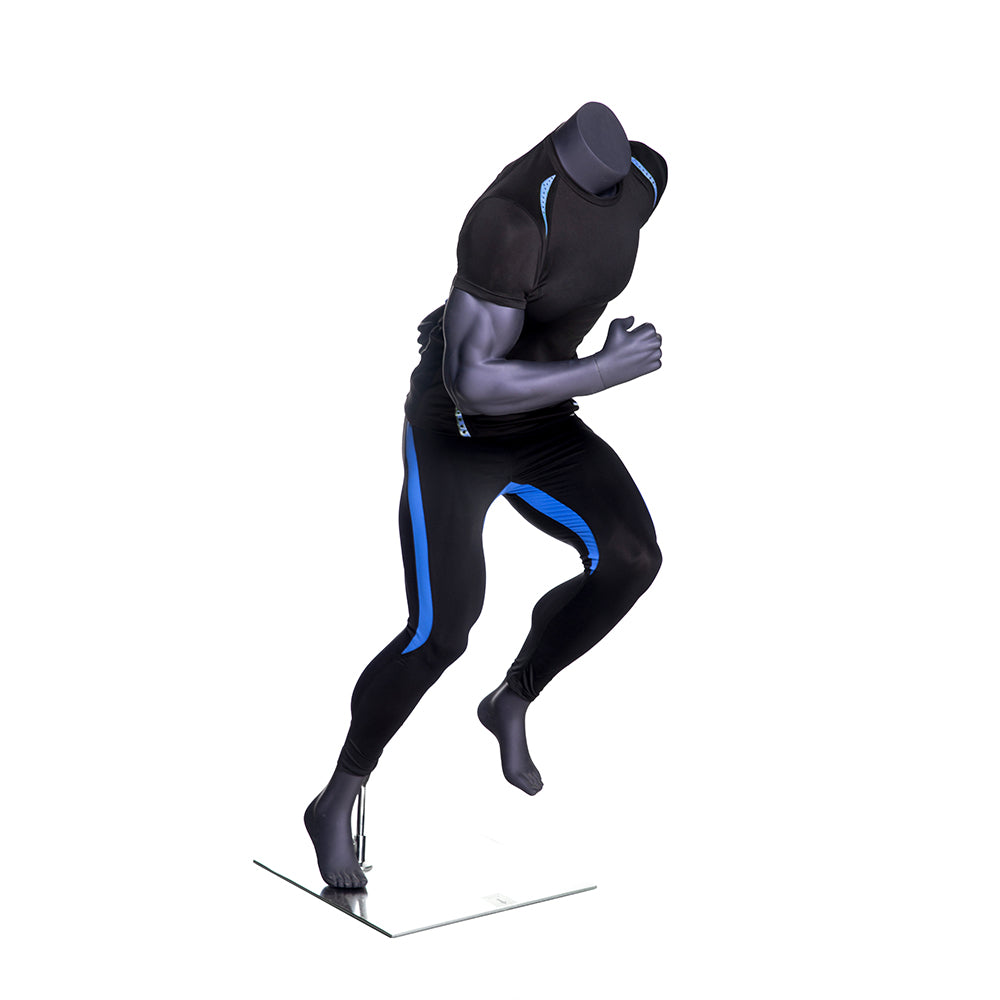
Headless Mannequins
- Gives a minimalist and stylish impression.
- Effective when you want to focus on product design and color balance.
Torso Mannequins
- Mannequins that only show the upper body.
- Suitable for displaying shirts, jackets, and dresses.
Kids & Junior Mannequins
- For displaying children's and junior fashion.
Fashion Mannequins
- Characterized by designs and poses based on the latest trends.
- Often used in high-end brands and luxury fashion houses.

3. Why Mannequins Contribute to Sales Growth
Boost Customer Purchase Intent
Mannequin displays make it easier for customers to imagine themselves wearing the clothes, increasing their desire to purchase.
Attract the Attention of Passersby
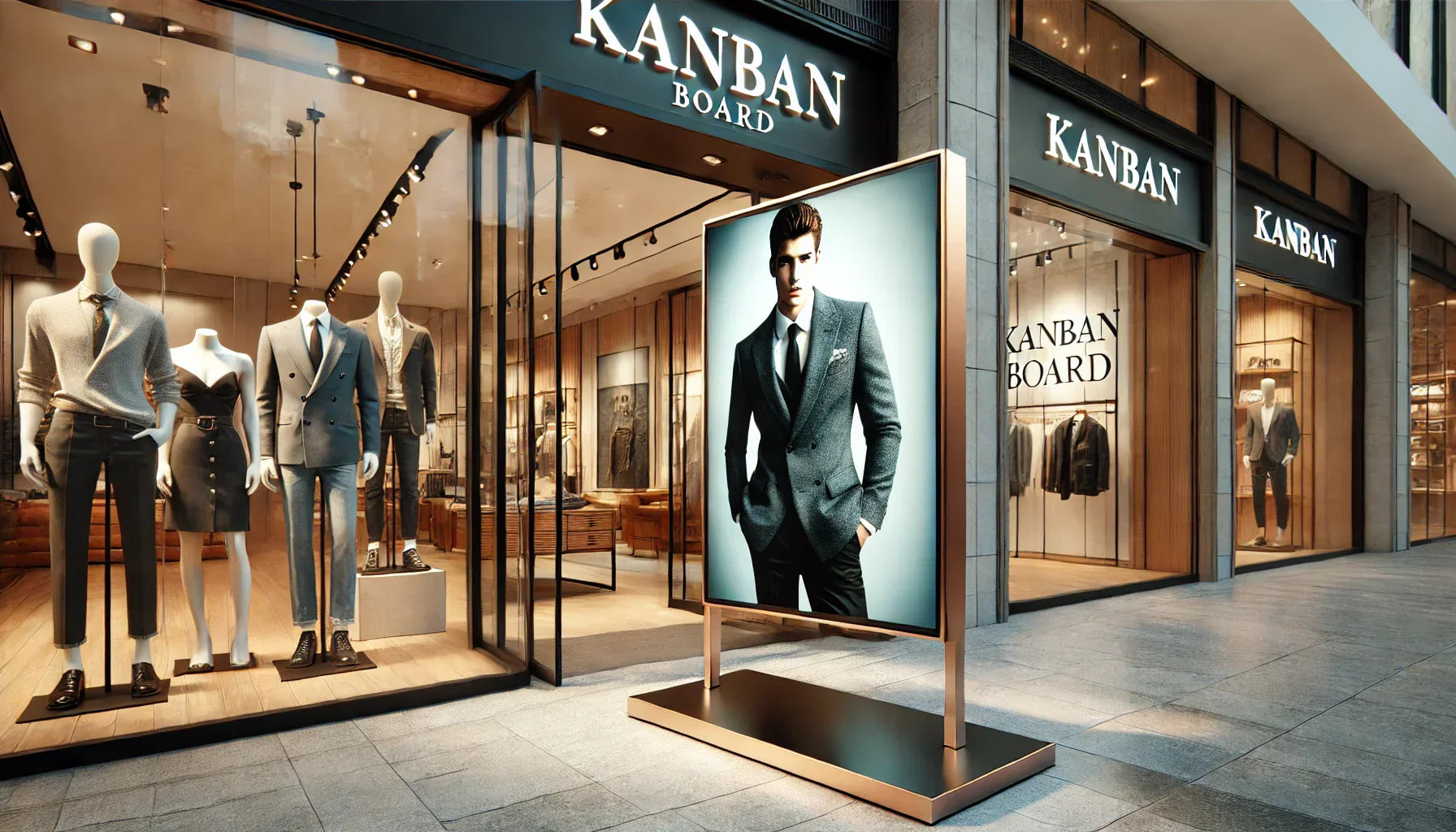
Mannequins placed in window displays catch the eye of passersby, encouraging them to enter the store.
Create a Sense of Brand Luxury
Especially for luxury brands, the use of sophisticated mannequins directly contributes to enhancing brand image.
Promote Set Sales
Mannequin displays that coordinate tops, bottoms, accessories, etc., are more likely to encourage the purchase of an entire outfit.

4. Tips for Maximizing Mannequin Effectiveness
Choose Mannequins that Match Your Store Concept
- Modern boutiques are best suited to minimalist and sophisticated mannequin designs.
- High-end fashion houses benefit from realistic mannequins with attention to detail.
Optimize Display Placement
- Strategically place mannequins at entrances and in windows to capture customer attention.
- Place mannequins in various areas throughout the store to encourage browsing.
Utilize Lighting
- By using lighting, you can emphasize the texture and color of clothing, making it appear more appealing.
Regularly Update Mannequin Styling
- Change outfits according to the season and trends to always maintain a fresh impression.

5. Differences in Mannequin Usage Between High-End Boutiques and Mass Retailers
High-End Boutiques
- Use high-quality, realistic mannequins.
- Deliberately limit the number of mannequins to create a refined display.
- Display total coordination, including accessories and small items.
Mass Retailers
- Use many simple, cost-effective mannequins.
- Displays primarily focus on seasonal campaigns and sales.
- Mannequin outfits are frequently changed to increase sales floor turnover.

6. Mannequin Maintenance and Management
Regular Cleaning
Regularly wipe away dust and dirt to maintain a clean appearance.
Damage Check
Repair any scratches or damage promptly to ensure long-term usability and a good appearance.
Seasonal Outfit Changes
By changing outfits according to seasons and events, you can continuously enhance the appeal of your store.

7. How to Choose the Best Mannequin for Your Store
Align with Brand Concept
- Modern stores suit minimalist designs, while luxury stores benefit from classic and impactful designs.
Consider Store Size
- In small stores, utilize torso mannequins or wall-mounted mannequins for effective space-saving displays.

Summary
Mannequins are not merely display tools in the fashion industry; they are crucial elements that boost customer purchase intent and build brand image. By selecting mannequins that fit your store and implementing effective display techniques, you can contribute to increased sales.
Mannequins are indispensable for clothing stores and fashion houses, and their effective use will greatly contribute to business growth.
Contact Us
If you have any questions, please feel free to contact us.
👉 Contact Us Here