Table of Contents
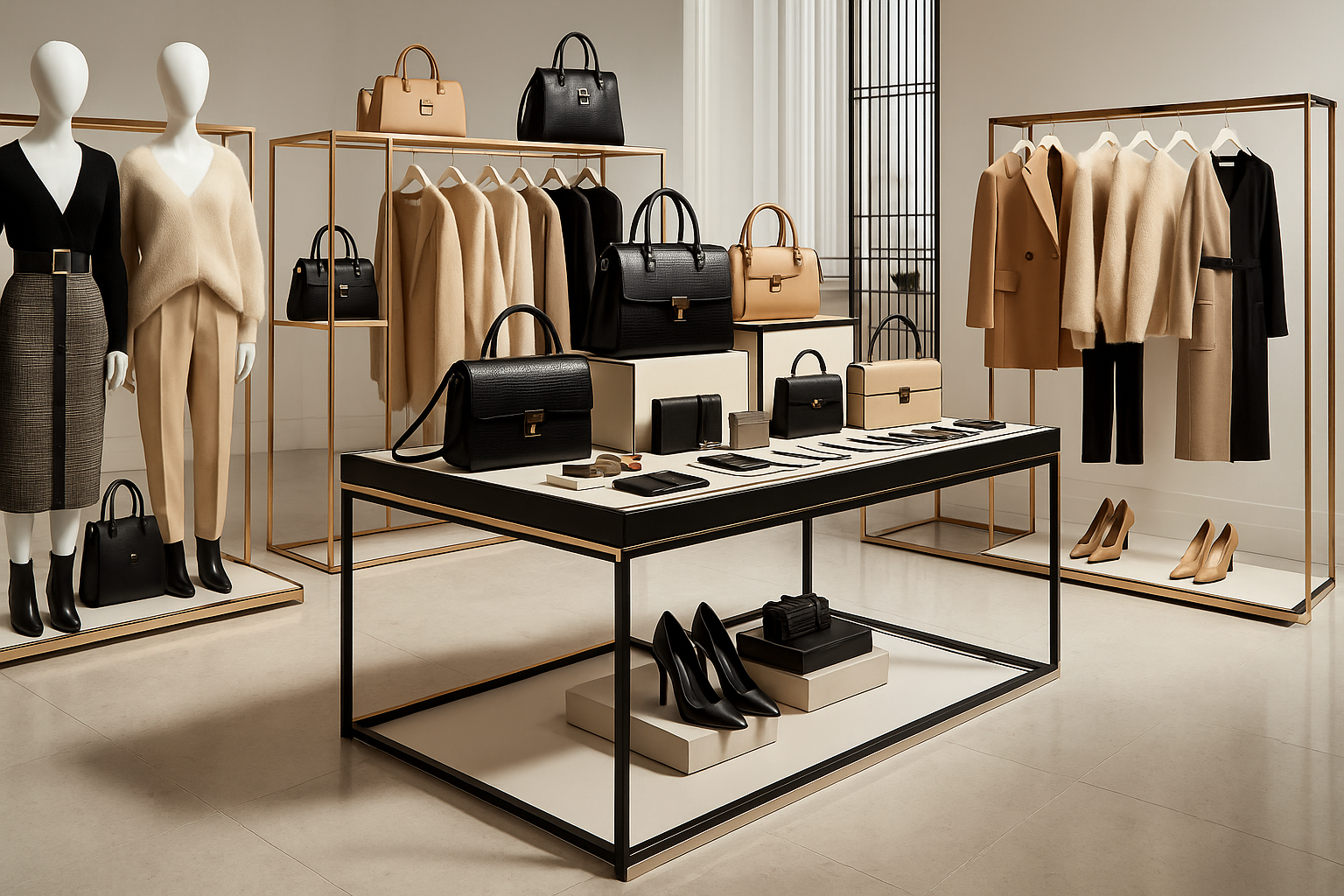
In the fashion and retail industries, mannequins are essential tools for product display and sales promotion. These display figures not only make clothes and accessories look appealing but are also used to establish brand identity and provide customers with a professional and engaging experience. From luxury boutiques to fast-fashion stores, and from bespoke tailors to fashion shows, various types of mannequins are used to present realistic styling. This article will detail the types, features, and uses of mannequins from the perspective of the fashion, sports, interior, and advertising industries.
1. What are Mannequins? Their Importance
Mannequins are human-shaped models for displaying fashion items and accessories, used in stores, showrooms, and exhibitions. The appropriate use of mannequins can enhance the purchasing experience and increase sales.

Reasons mannequins contribute to increased sales:
Attract customer attention: Clothes displayed on mannequins are more eye-catching than items on shelves.
Provide a realistic wearing image: Customers can visually confirm the silhouette and styling when worn.
Emphasize brand identity: Using mannequins that match the store or brand's theme creates a cohesive shop design.
Difference between Static Mannequins and Dynamic Mannequins
Static Mannequins: Fixed poses, such as standing or sitting.
Dynamic Mannequins: Articulated joints allow for different poses.
2. Types of Mannequins by Use
Mannequins are categorized into various types based on their use. There are mannequins specialized for fashion stores, exhibitions, sports equipment stores, the advertising industry, interior design, and more.
Retail Mannequins
This type of mannequin is primarily used in apparel stores and boutiques and includes the following types:
Full-body mannequins: Ideal for displaying entire outfits.
Torso mannequins (upper body): For displaying shirts, jackets, and tops.
Leg mannequins (lower body): Specialized for showcasing pants, skirts, and shoes.
Head & neck mannequins: Used for displaying hats, glasses, and accessories.
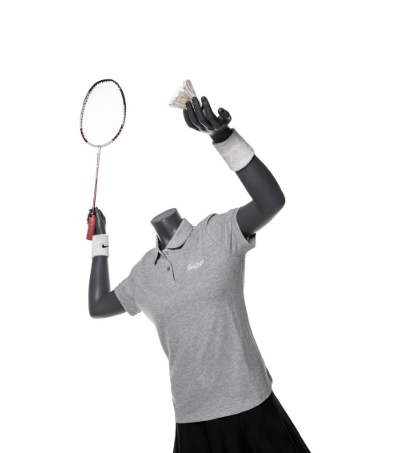
Sports Mannequins
Sports equipment stores use mannequins suitable for selling sportswear and training gear.
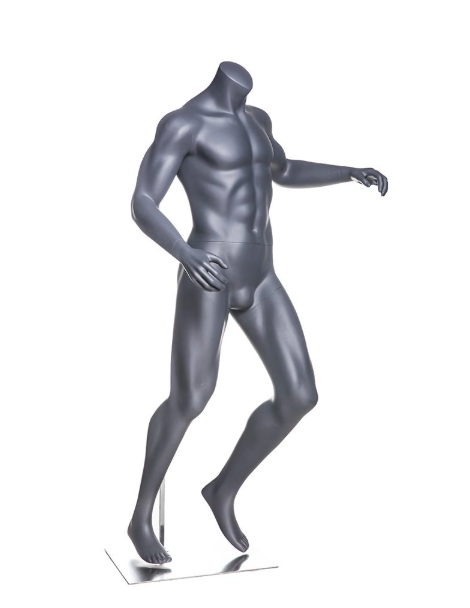
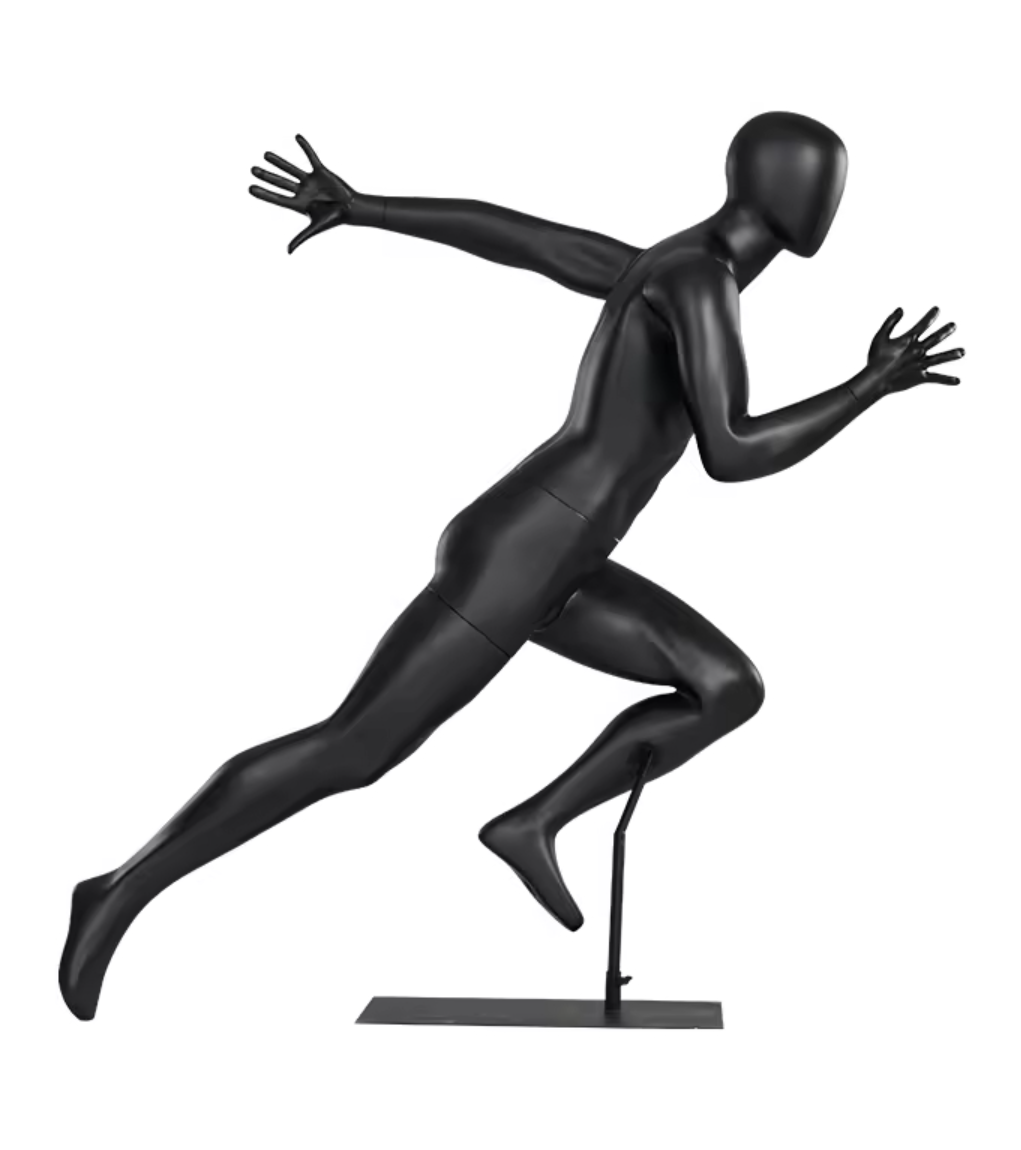
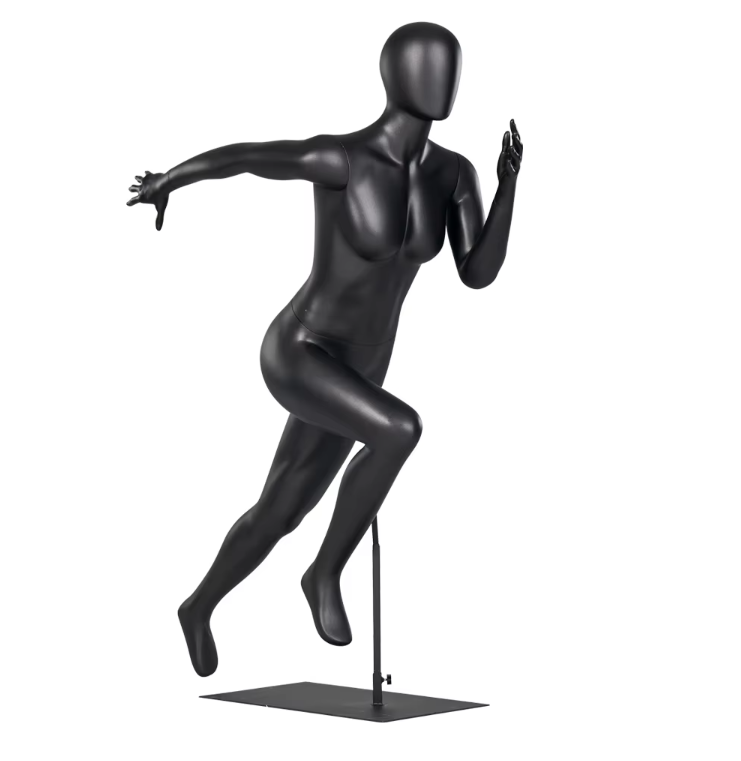
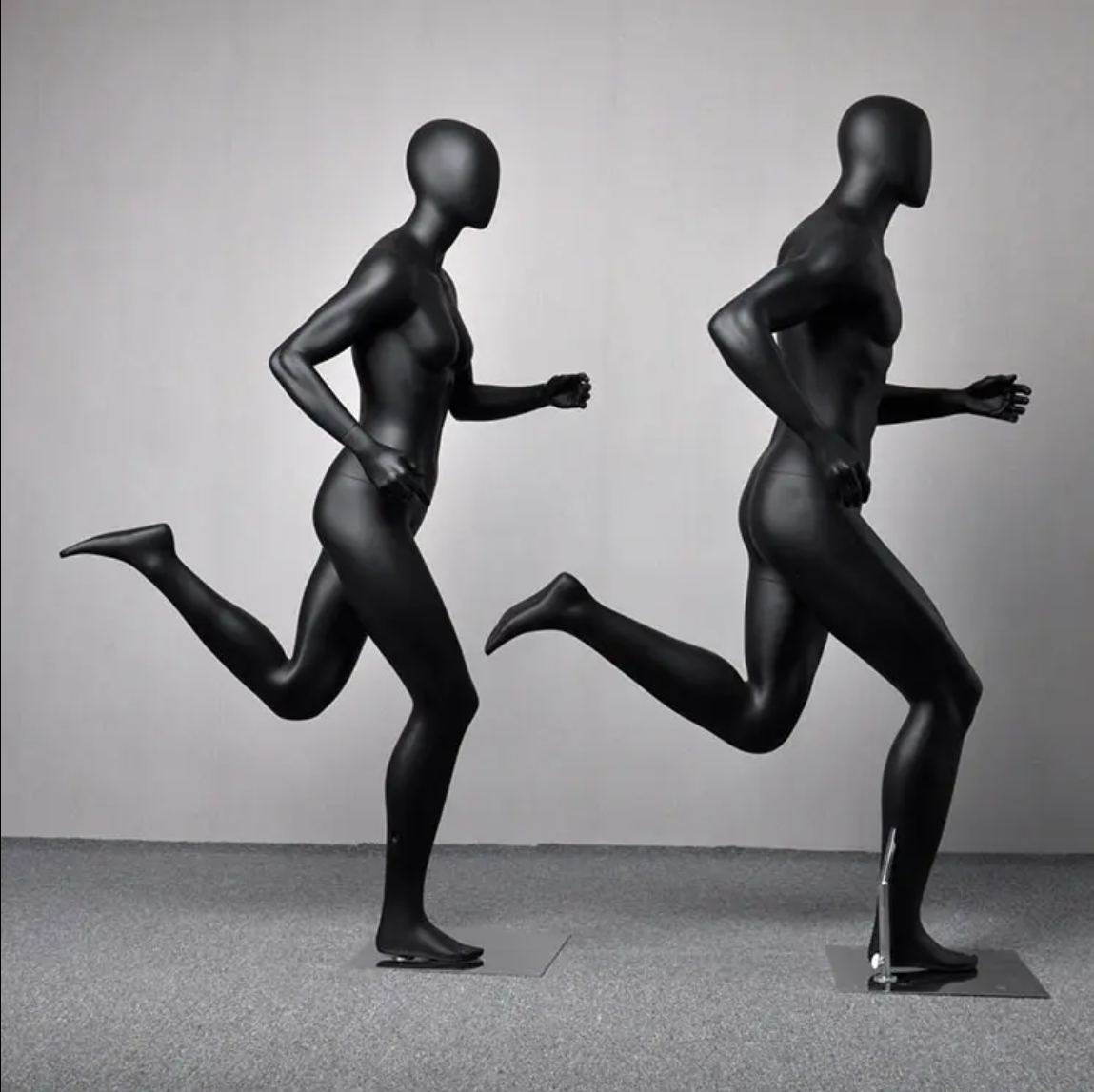
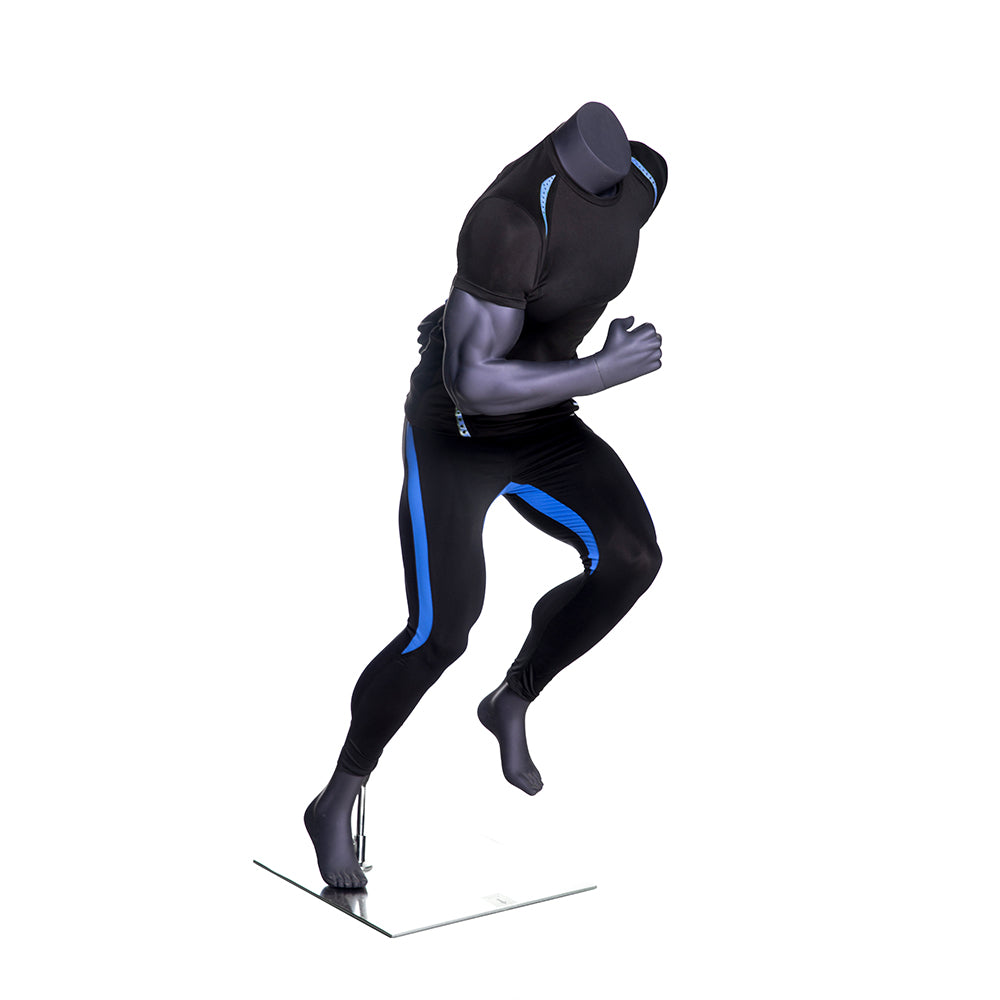
Dynamic poses: Recreating movements like running, weightlifting, yoga, and soccer.
Muscle mannequins: Ideal for displaying fitness wear and bodybuilding products.
Durable materials: Many models are made from reinforced plastic or fiberglass.


Children’s Mannequins
Mannequins for displaying children's and baby clothes, available in different sizes for various age groups.


Luxury & Artistic Mannequins
Unique and highly designed mannequins used in high-end brands, fashion shows, and galleries. Their forms themselves create an artistic atmosphere in the sales area.
3. Types of Mannequins by Material
Various materials are used in mannequin manufacturing, each with its own advantages and suitable applications.
Fiberglass Mannequins
Features: Lightweight, highly durable, and smooth surface.
Uses: For high-end apparel stores and boutiques.

Plastic Mannequins
Features: Low cost and high impact resistance.
Uses: Fast-fashion stores, outlet shops, etc.

Wooden Mannequins
Features: Natural feel and minimalist design.
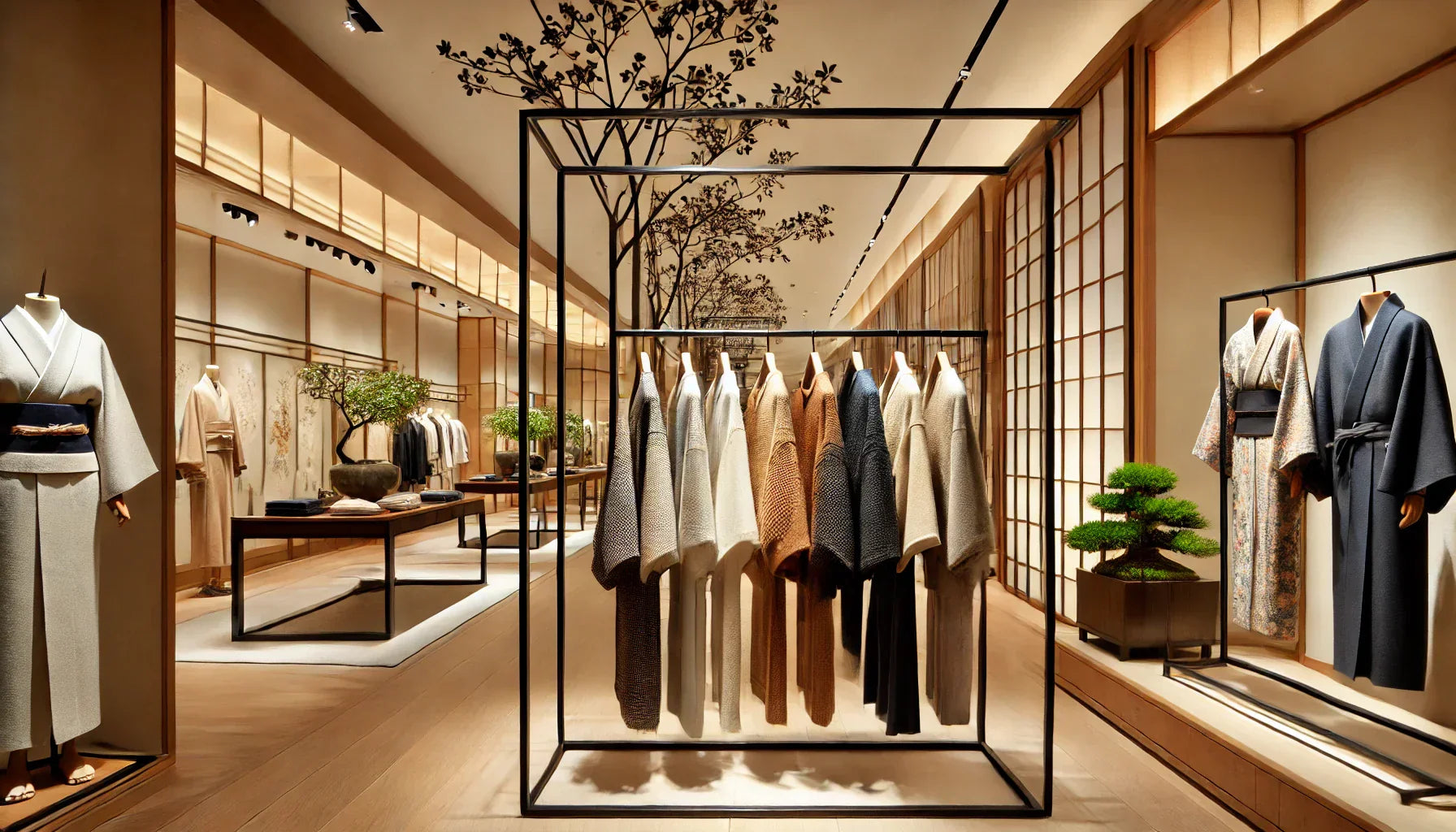
Uses: Bespoke tailor boutiques, traditional craft stores, etc.

Metal Mannequins
Features: Modern design and high durability.
Uses: Industrial-style stores, art exhibition spaces, etc.

4. How to Choose the Optimal Mannequin
Choosing Mannequins that Match Your Brand's Style
Luxury brands → High-quality fiberglass mannequins.
Casual brands → Lightweight plastic mannequins.
Natural-style shops → Wooden mannequins.
Selecting Sizes Appropriate for Your Target Audience
Choose sizes that match your target demographic (youth, adults, plus-size, etc.).
Choosing Colors & Finishes
White and black are classic and suit any brand, while gold and silver are effective for creating a luxurious feel. Choose surface finishes like matte or gloss to match your brand image.
5. Summary
Mannequins are essential items in the fashion and retail industries, greatly contributing to increased sales and establishing brand image. From static to dynamic mannequins, and from sports to artistic mannequins, there is a wide variety, each suited for different purposes.
By selecting the optimal mannequin and utilizing appropriate display strategies, you can provide an attractive shopping environment for customers and contribute to your brand's success.
Contact Us
If you have any questions, please feel free to contact us.
👉 Contact Us Here