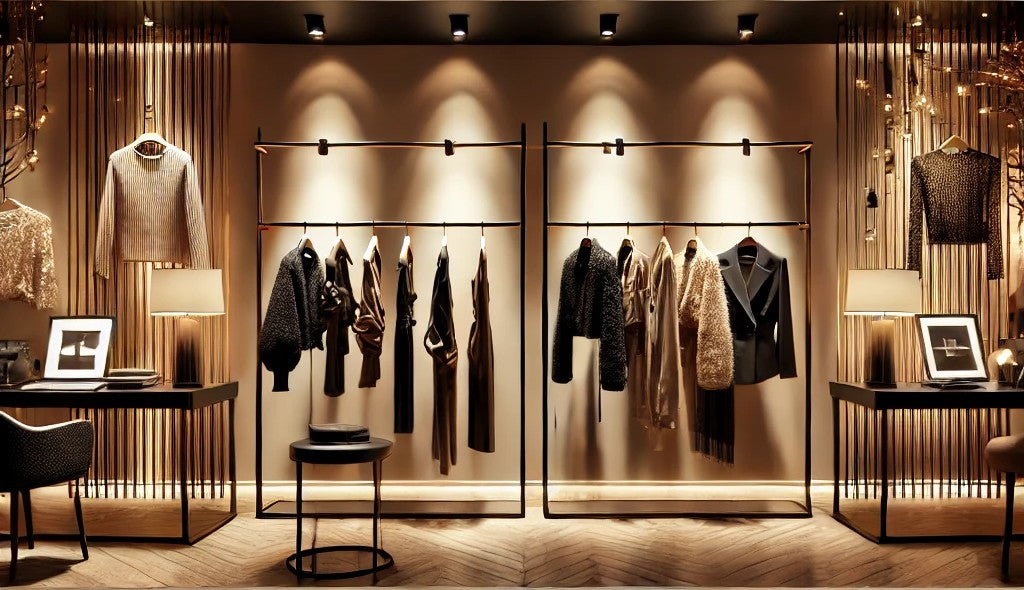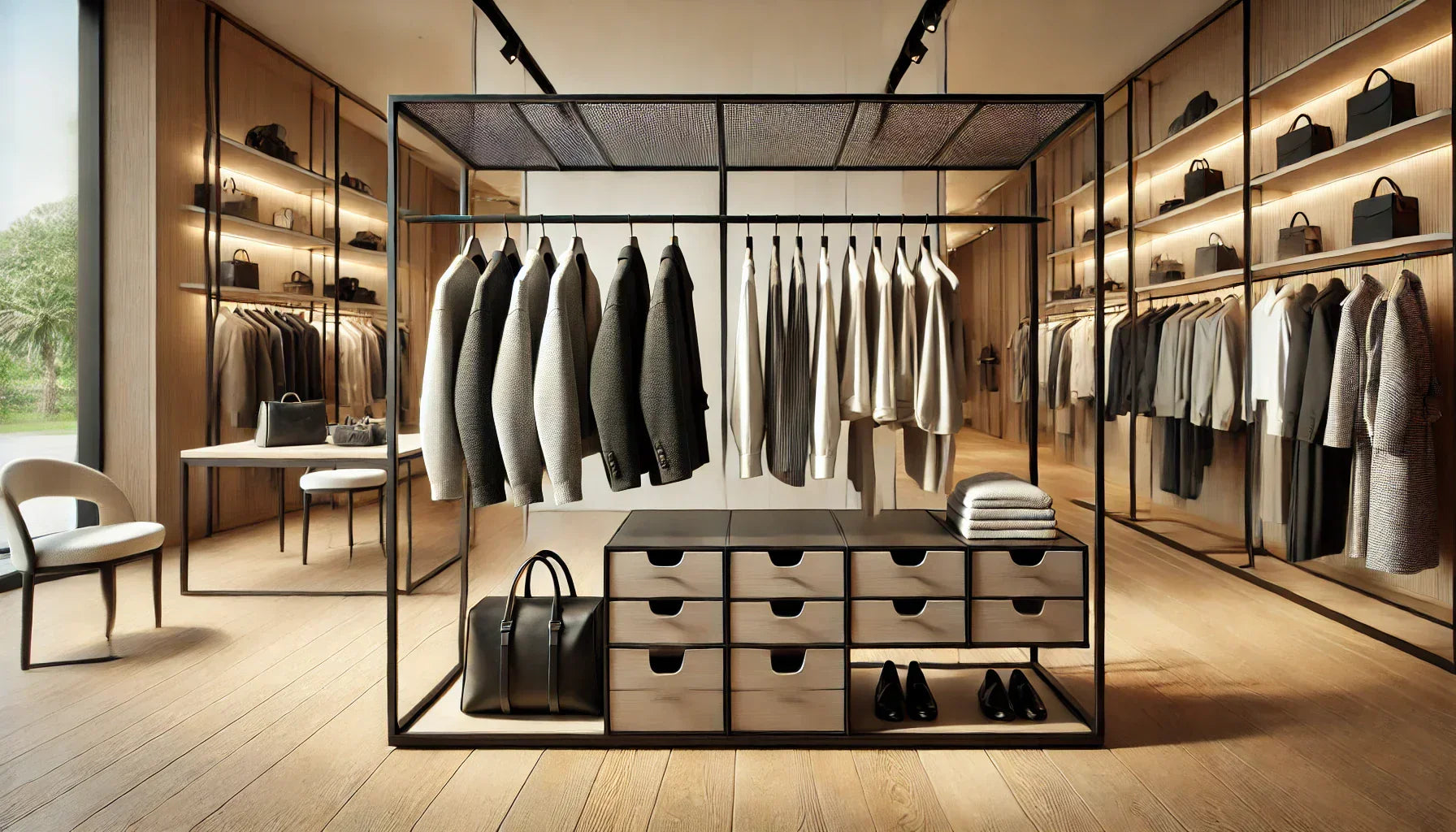
Counter tables are popular fixtures and furniture that are active in various spaces such as cafes, restaurants, offices, and apparel stores. In addition to their design, which influences the impression of the space, they also have the functionality of being a workbench, customer service area, and display stand, playing an important role in store creation and interior design.
In recent years, there has been a growing need for stylish counter tables that allow you to choose materials, sizes, and colors to match your space concept, and custom-made counter tables that match the atmosphere of your store. In particular, cafe counters, cash register counters, and display counters require a balance between ease of use and brand image.
This article clearly explains how to choose a counter table, the characteristics of each material, design points, and tips for introducing them into stores, offices, and cafes. If you are considering a counter table as a store fixture, please refer to it.
Table of Contents
- 1. Why Counter Tables Are Important in Interior Design
- 2. Types of Counter Tables by Use
- 3. Choosing Counter Table Materials
- 4. Counter Table Design Points for Each Space
- 5. Choosing Counter Table Colors
- 6. Characteristics of Ideal Counter Tables
- 7. How to Customize Counter Tables
- 8. Lighting Ideas Around Counter Tables
- 9. Harmony with Other Interior Elements
- 10. Tips for Choosing Counter Tables for Stores to Avoid Failure
- 11. About WEONE's Counter Table Manufacturing
1. Why Counter Tables Are Important in Interior Design
Counter tables are not just workbenches or furniture; they are important interior elements that significantly influence the overall impression of a space. Especially in stores and cafes, they tend to be the first place customers look, and they also play a role in conveying the atmosphere and brand image of the space.
Design Elements that Enhance Aesthetics
The material, color, and shape of a counter table are major factors in determining the style of a space. The look of a space can change dramatically depending on the choice, such as a natural design that utilizes the warmth of wood, a modern design that incorporates metal, or a design that creates a sense of luxury with Mortex-style or stone-like finishes.
Multi-purpose Practicality
Counter tables can be used for various purposes, including dining, meetings, customer service, cash register operations, and product displays. They are highly functional furniture that can serve multiple roles even in limited spaces.
Improved Space Efficiency
Especially in small stores and compact cafes, effective use of space is crucial. By cleverly incorporating a counter table, it becomes easier to ensure smooth traffic flow while balancing workability and visual appeal.
2. Types of Counter Tables by Use
Counter tables require different functions and designs depending on where they are used. By choosing according to the purpose, it becomes possible to create a more user-friendly and attractive space.
Kitchen Counter Tables
In the kitchen, counter tables are used as cooking assistants or simple dining spaces. They are popular for their water and heat resistant tops and designs that include storage. It is important to choose according to the layout, such as island or wall-mounted types.
Cafe/Restaurant Counter Tables
In cafes and restaurants, both visual impression and durability are required. It is important to choose a design that matches the store concept, considering customer stay time, traffic flow, and balance with chairs. Warm wooden counters are popular, as are stylish counters that combine steel legs and stone-like tops.
Office Counter Tables
In offices, they are used for simple meetings, free-address spaces, and break areas. Functional aspects are also emphasized, such as a height that makes it easy to work while standing, a depth that makes PC work easy, and a design that considers wiring.
Retail Counter Tables
In apparel stores and showrooms, they are often used as cash register counters, reception counters, and product display tables, making them important fixtures that influence the impression of the space. Custom manufacturing to match the brand image and types that allow for size adjustment are also recommended.
3. Choosing Counter Table Materials
When choosing a counter table, it's important to compare materials not only for their appearance but also for their durability and ease of maintenance.
Wood
Wood is a classic material that gives a natural and gentle impression. Its appeal lies in its versatility, as it can be matched with a wide range of interiors, such as Nordic, natural, vintage, and Japanese modern styles. On the other hand, care must be taken with moisture and scratches, so surface finishing and daily maintenance are important.
Natural Stone / Stone-like Materials
For spaces where you want to create a sense of luxury, natural stone or stone-like materials are suitable. They create a luxurious impression and are a good match for hotel-like stores and cafes that demand high quality. However, since they are heavy, it is necessary to confirm the transportation and installation conditions.
Metal
Metal materials give a modern and sophisticated impression. While they are highly durable and can easily create a sharp and stylish atmosphere, they can also look inorganic depending on the space, so combining them with wood or fabric can help create balance.
Glass
Glass tops are a material that gives a light and open impression. They are also suitable for smaller spaces where you want to reduce a sense of oppression. However, fingerprints and dirt are easily visible, so care must be taken when handling them.
Mortex-style / Plaster-style Finish
Recently, Mortex-style and plaster-style finishes have been attracting attention. They have a unique texture and are suitable for sophisticated spatial design, making them a good match for cafes, select shops, and stores with a strong design aesthetic. They are also recommended when you want to create a natural yet high-quality atmosphere.
4. Counter Table Design Points for Each Space
Designs Suitable for Small Spaces
In limited spaces, size is paramount. By choosing a counter table with a shallow depth or one with storage, you can increase functionality while reducing a sense of oppression. Designs with clean legs and lighter colors are also effective.
Designs Suitable for Large Spaces
In large spaces, placing a large counter table as the focal point of the layout can draw attention and serve as an accent. Incorporating textured tops and voluminous legs can enhance the overall quality of the space.
Layout Conscious of Traffic Flow
Especially in stores, in addition to visual appeal, it is important to design traffic flow that allows staff and visitors to move smoothly. By considering the position and height of the counter and the width of the surrounding aisles, you can create a user-friendly space.
5. Choosing Counter Table Colors
Color is an important element that determines the impression of a space. Choose while considering the store concept and the balance with surrounding furniture.
Neutral Colors such as White, Gray, and Black
Recommended for creating a modern and minimalist impression. White and gray, in particular, convey a sense of cleanliness, while black can evoke luxury and solemnity. These colors are easy to match with any space and are less likely to result in a failed design.
Warm Colors such as Wood Grain and Brown Tones
For creating a natural and warm atmosphere, wood grain and brown tones are suitable. These are recommended for cafes, relaxed stores, and spaces where comfort is prioritized.
Accent Colors
If you want to add personality to a space, incorporating accent colors such as navy, green, or burgundy can be effective. However, if the assertion is too strong, it can become tiresome, so it is recommended to incorporate them in moderation.
6. Characteristics of Ideal Counter Tables
Excellent Durability
Counter tables used in stores and cafes need to be sturdy enough to withstand daily use. Prioritize long-lasting quality, such as scratch-resistant tops, stable legs, and finishes that are resistant to moisture and dirt.
Easy-to-use Height and Size
Counter tables require different heights depending on their use. It is important to choose based on actual usage, such as when combining with chairs, primarily for standing work, or primarily for customer service.
Design that Matches the Space
No matter how functional it is, if it doesn't match the overall style of the space, it will feel out of place. Choose a cohesive design while considering compatibility with surrounding flooring, walls, lighting, and chairs.
Customizable as Needed
It is not uncommon for off-the-shelf products to not fit in terms of size or color. When introducing them as store fixtures, customizability that allows for size changes, color changes, and material changes is a significant advantage.
7. How to Customize Counter Tables
Size Order
For a perfect fit in the installation location, custom manufacturing that allows for adjustment of width, depth, and height is convenient. This is also effective when you want to align it with a wall or fit it into a limited space.
Material and Finish Changes
The impression of a space can change significantly just by changing the finish, such as wood grain, stone pattern, Mortex style, or matte finish. By choosing according to the store concept, it becomes possible to create a more refined spatial design.
Design Reflecting Brand Image
For reception and cash register counters, incorporating designs that match the brand colors and logo image can create a cohesive store. This makes the visual impression stronger and more memorable.
8. Lighting Ideas Around Counter Tables
No matter how beautiful a counter table is, its appeal cannot be fully brought out if the lighting is not right. By considering the lighting plan as well, the overall quality of the space will be enhanced.
Making an Impression with Pendant Lights
In cafes and restaurants, placing pendant lights above the counter makes it easier to draw attention. By casting soft light, it is possible to create an atmospheric space.
Adding a Sense of Quality with Indirect Lighting
Incorporating indirect lighting under the counter or on the walls can create a sophisticated impression. Especially in evening store spaces, it has the effect of enhancing a sense of quality and tranquility.
Paying Attention to Color Temperature
Warm-colored lighting creates a sense of comfort, while cool-colored lighting creates a sense of cleanliness and sharpness. It is important to choose according to the purpose of the space.
9. Harmony with Other Interior Elements
It is important to design the counter table not in isolation, but in consideration of its balance with other elements such as chairs, lighting, walls, flooring, and display fixtures.
Compatibility with Chairs
If the height and material of the counter chairs do not match the table, it can lead to inconvenience and a disjointed appearance. Achieving consistency in seat height, leg design, and color can create a unified look.
Balance with Floors and Walls
It is also important that the color and material of the counter table harmonize with the flooring and walls. By aligning the overall tone, a cohesive space can be achieved.
Consistency with Surrounding Fixtures
By matching the material and color of other fixtures such as cash registers, display shelves, clothing racks, and display tables, the overall design level of the store can be enhanced.
10. Tips for Choosing Counter Tables for Stores to Avoid Failure
When choosing a counter table for a store, it is important to choose it with actual use in mind, rather than just by its appearance.
Clarify the Purpose of Use
The necessary size, height, and presence or absence of storage vary depending on whether it is for cash registers, customer service, or display. First, clarify the purpose.
Check the Delivery Route and Installation Conditions
For large counter tables, it is necessary to check the delivery route and installation space in advance. Elevators, stairs, and entrance widths should also not be overlooked.
Consider Maintainability
In restaurants and customer service areas, ease of cleaning and resistance to stains are also important. Choosing materials and finishes that are not only aesthetically pleasing but also easy for daily use will lead to long-term satisfaction.
11. About WEONE's Counter Table Manufacturing
WEONE offers proposals for counter tables that match your store space and brand image. We can manufacture tables that combine design and practicality for various settings such as cafes, apparel shops, showrooms, and exhibition booths.
We also handle size orders, color changes, and material consultations, and support you in choosing fixtures that consider the balance with the entire space. We offer flexible proposals from simple and sophisticated designs to custom specifications with a strong presence, according to your requests.
Summary
Counter tables are important furniture and store fixtures that not only greatly influence the impression of a space, but also relate to workability, customer service, and displayability. By carefully selecting materials, colors, sizes, and designs according to the purpose and installation location, you can create a functional and attractive space.
Especially in stores, cafes, and offices, it is important to balance both aesthetic beauty and practicality. By considering not only off-the-shelf products but also custom-made counter tables that match the space, it is possible to create a space that is closer to your ideal.
If you are considering introducing or manufacturing a counter table, please choose one that suits your needs while being mindful of the balance with the entire space.
▫️▪️▫️▪️▫️▪️▫️▪️▫️▫️▪️▫️▪️▫️▪️▫️▪️▫️▫️▪️▫️▪️▫️▪️▫️▪️▫️
📩 Contact Us
If you have any questions about counter table manufacturing, custom orders, or store fixtures, please feel free to contact us.